Chimney Inspections (Level 1–3) — Hartford, CT
Whether you’re burning nightly, listing a home, adding a new appliance, or chasing a mystery leak, a proper chimney inspection is your roadmap to safety and performance. Hartford Chimney Care Co. performs detailed Level 1, Level 2, and Level 3 inspections throughout Hartford, CT, delivering clear photo reports and prioritized recommendations you can act on with confidence.
Serving Hartford, CT
We inspect chimneys across Hartford—West End, South End, Blue Hills, Asylum Hill, and nearby towns. Fast scheduling, photo documentation, and straight answers.
(860) 362-9203
Need a Real-Estate Inspection?
We perform Level 2 inspections for property sales, transfers, and appliance changes. Get a clear, agent-friendly report.
Request an Inspection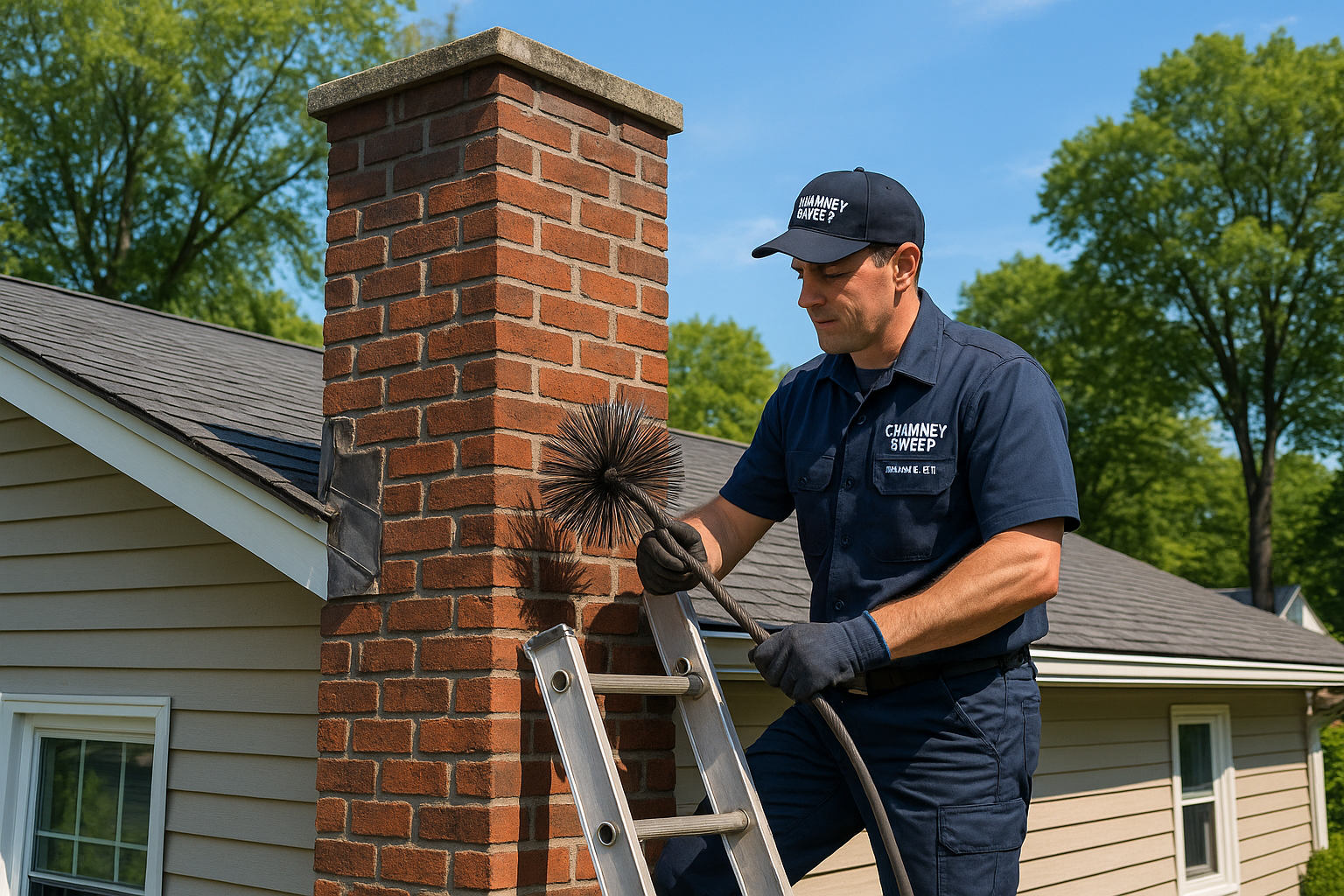
What a Proper Chimney Inspection Delivers
A chimney system is more than bricks and mortar—it’s a connected pathway from appliance to outdoors, including the firebox, smoke chamber, flue, liner, crown, cap, flashing, and sometimes multiple connections. Our inspections look at how well these components work together to vent byproducts, resist weather, and protect the home’s structure. Each inspection level scales the depth of evaluation so you get exactly what your Hartford, CT situation requires—no more, no less.
Inspection Levels Explained
Level 1 — Annual Condition Check
Level 1 inspections are ideal when there are no changes to the system and you simply need an annual check for continued service. We visually assess accessible portions of the chimney exterior and interior, the appliance and connections, and the basic flue condition. We look for signs of blockage, creosote accumulation, moisture intrusion, loose mortar, and obvious damage. If your fireplace or stove is used regularly in Hartford’s heating season, a Level 1 inspection provides assurance that the system appears sound for normal operation.
Level 2 — Real-Estate, After Changes, or After Events
A Level 2 inspection is recommended when you’re buying or selling a home, after a chimney fire, after severe weather, or when you change the appliance or fuel type (e.g., switching from an open fireplace to a wood stove or gas insert). In addition to everything in Level 1, Level 2 includes internal inspection of flue surfaces using video/imaging where accessible, plus evaluation of clearances to combustibles in reachable areas (attic, crawl spaces). You’ll receive a detailed, photo-rich report that highlights defects, code issues, or safety concerns—and we’ll prioritize recommended repairs so you can plan and budget intelligently.
Level 3 — When Hidden Hazards Are Suspected
If serious structural damage is suspected—such as after a chimney fire, lightning strike, or persistent leakage that suggests concealed deterioration—a Level 3 inspection may be necessary. This level can require removing components (like the chimney crown or interior finishes) to access critical areas. We explain the scope and obtain approval before any selective demolition. The goal is to conclusively determine the condition of hidden sections so the right repair can be specified the first time.
Common Issues We Find in Hartford, CT
- Cracked or missing flue tiles: Often discovered during Level 2 camera inspections; can allow heat and byproducts to reach masonry or framing. Stainless relining is a common remedy.
- Crown failure & water entry: Hairline cracks escalate with freeze-thaw cycles, letting water penetrate and stain interior walls or ceilings.
- Defective or missing caps: Enables rain, animals, and debris to enter; increases odors, moisture, and blockage risks.
- Deteriorated mortar joints: Repointing or smoke-chamber parging restores integrity and improves draft.
- Improper clearances: Especially in older homes; we document concerns and propose corrective actions.
- Creosote & soot buildup: Affects performance and safety; sweeping schedules are adjusted to usage.
Our Inspection Process
We begin with a conversation: how you use the system, any odors or smoke spillage, recent storms, and whether the appliance has changed. Then, based on the appropriate level, we proceed with a structured, tidy workflow designed to protect your home and gather accurate data.
- Safety & containment: Drop cloths, shoe covers, and dust control where necessary.
- Exterior review: Masonry, crown, cap, and flashing are observed from safe vantage points.
- Interior review: Firebox, damper, smoke chamber, lintel, and hearth for cracking, gaps, or staining.
- Flue evaluation: Visual (Level 1) or video-assisted (Level 2/3) assessment of liner surfaces and dimensions.
- Clearance checks: Where accessible, we verify required separations from combustibles.
- Documentation: Photos and notes are captured systematically for your written report.
- Consultation: We explain findings plainly, answer questions, and map out next steps.
Reports that Help You Decide
You’ll receive a concise report with labeled photos, a summary of conditions, and a prioritized action plan. We separate must-do safety items from performance or longevity upgrades, so you can choose what to address now and what to plan for later. If you’re a buyer or seller, our reporting format helps real-estate dealings move forward with fewer surprises.
When Should Hartford Homeowners Schedule an Inspection?
- Annually, if you use the system each heating season.
- Before listing or closing on a home (Level 2).
- After a chimney fire or suspected lightning strike.
- When switching appliances or fuels (e.g., adding a stove/insert or converting to gas).
- If you notice odors, visible staining, or performance changes (smoke spillage, poor draft).
Pairing Inspections with Sweeping
We can combine your inspection with a sweep for efficiency, especially if flue surfaces are sooty and would obscure imaging. If heavy creosote is present, we may recommend sweeping first so we can properly evaluate the liner during a Level 2 camera pass.
Moisture: The Silent Chimney Killer
In Connecticut’s freeze-thaw cycles, small water entry points become big issues. Our inspection looks for crown cracks, failed mortar joints, compromised flashing, and cap defects. Addressing moisture early extends chimney life and protects surrounding framing and finishes. When we recommend repairs—like crown rebuilding, repointing, waterproofing, or new caps—we’ll explain the “why,” the method, and the expected outcome.
Code & Sizing Considerations
Performance problems frequently tie back to flue sizing or construction details. A liner that’s too large for the appliance cools gases too quickly; one that’s too small chokes draft. Our Level 2 inspection assesses sizing relationships and connection details so we can recommend stainless steel relining when appropriate, matching appliance BTUs and venting requirements.
FAQ
What to Expect on Appointment Day
We text on the way, park considerately, and protect floors and furnishings where we’ll be working. Access to the attic or crawl spaces may be needed for Level 2. Pets can be separated during active work. After the inspection, we’ll review photos on-site and email your report—usually the same day.
Video-Assisted Evaluation
Internal imaging reveals defects hidden from the naked eye—cracks, offsets, and voids that impact safety and draft.
Actionable Reports
Clear language, labeled photos, and a repair plan that respects your budget and timeline.
Book a Chimney Inspection in Hartford, CT
Get the facts about your chimney’s condition—and a plan to keep it safe, efficient, and dry.
Request an Inspection (860) 362-9203